How much does laser hair removal cost in Harlow?
At Maison Aesthetics, laser hair removal starts at £20 a session for small areas such as the upper lip. Underarms cost £39 a session or £185 for a course of six, and full legs £95 or £475. Full body packages cost £175 to £225 a session.
The full price list sits in the tables on this page and on our prices page.
Single sessions or a course of six
A course of six never costs more than five single sessions, and on some areas it costs less. Full arms are £80 a session or £350 for six, which saves £130 against paying session by session. Most people book a course, because hair reduction builds over several sessions. Single sessions suit a maintenance top-up or an area you only want to try.
Courses are paid in advance. Flexible payment is available on selected courses, so ask us if that would help.
Combining areas
The combination packages cost less than booking each area on its own. Hollywood and underarms together cost £75 a session, against £99 if you booked the two separately. Hollywood and full legs cost £125 a session instead of £155.
Full body packages
There are three full body packages, and a course of six in each one gives you the sixth session free:
- Full Body Essential, £175 a session or £875 for six: half legs, half arms, underarms, and Hollywood or Brazilian.
- Full Body Plus, £199 a session or £995 for six: full legs, full arms, underarms, Hollywood or Brazilian, and full stomach.
- Full Body Complete, £225 a session or £1,125 for six: everything in Plus, with full face and neck added.
Booked one by one, the areas in Full Body Complete would come to £379 a session.
How this compares with UK prices
Salon Searcher's 2026 UK price guide puts full legs at £130 to £300 a session, both underarms at £40 to £100, and the upper lip at £30 to £80. Our prices for those three areas, £95, £39 and £20, all sit below the bottom of each range.
Is it suitable for my skin type?
Laser targets the pigment in hair, so it works best on dark hair and has little effect on white, grey, blonde or very fine hair. Alma designed the Soprano Titanium's three wavelengths for use across different skin types, and your practitioner checks your own skin and hair in person at the patch test.
The Leeds NHS page is direct about hair colour: "The laser will not have any effect on white grey or blonde hair; fine, downy hair is not amenable to laser treatment." If your hair is light, we'll tell you at the patch test rather than sell you a course that won't do much.
Skin tone matters because the laser needs to heat the hair without over-heating the skin around it. Using three wavelengths lets the device work at different depths, which gives your practitioner room to set the treatment for your skin. A manufacturer's description is still not a promise for any one person, which is why nobody starts a course here without a patch test first.
At the patch test we'll also ask about:
- recent sun exposure, sunbeds or fake tan
- medicines, including any that make skin more sensitive to light
- skin conditions, cuts or irritation on the area
- hormonal conditions that affect hair growth
How many sessions will I need?
Most areas need a course, because laser only affects hairs in their active growth phase and not every hair is growing at the same time. We sell laser in courses of six. Some people need more sessions than that, and we'll tell you what to expect for your area at the patch test.
Hair grows in cycles. At any moment some follicles are actively growing a hair, some are resting, and some are shedding. The laser works on the growing ones, so each session catches a different group. That is why one session on its own won't clear an area.
The NHS hair reduction service at Leeds Teaching Hospitals explains the same point on its patient information page: "Not all the hairs are in the anagen phase at any one time, which is why a treatment course consists of three treatments." We plan in sixes because it gives each area more chances to catch hairs as they move into growth, and a course of six costs no more than five single sessions.
What changes the number
- Hair colour and thickness. Dark, coarse hair absorbs the most light. Fine or light hair responds less.
- The area. Each part of the body has its own growth pattern.
- Hormones. Hormonal changes can prompt new hair growth during or after a course.
- Keeping to the schedule. Sessions are spaced several weeks apart. Long gaps, or waxing between sessions, slow progress.
What is the Soprano Titanium and why a diode laser?
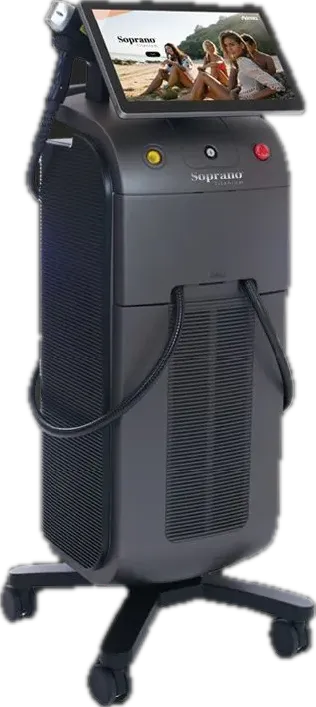
The Soprano Titanium is a diode laser made by Alma Lasers. It fires three wavelengths at once, 755nm, 810nm and 1064nm, so the light reaches the hair follicle at different depths. A built-in cooling system, which Alma calls ICE Plus, cools the surface of the skin while the laser heats the follicle below.
Alma sets out the full specification on its own site. All three wavelengths come through one applicator, so a single pass covers hair that sits shallow in the skin and hair that roots deeper.
How the laser works on hair
The pigment in a hair, melanin, absorbs the laser light and turns it into heat. That heat travels down the hair to the follicle and damages the part that grows new hair. Treated follicles tend to produce finer, slower hair, and some stop producing hair at all. The surrounding skin has less pigment than the hair, so it absorbs less of the energy, and the cooling tip protects it further.
Why a diode
A diode laser makes its light from semiconductor chips. The result is a concentrated beam at fixed wavelengths that can fire quickly across a large area, which is why diodes are widely used for hair removal. The cooling won't stop you feeling the laser, but it takes the edge off the heat and lets your practitioner work through an area at a steady pace.
Maison Aesthetics owns its Soprano Titanium, and Silan and Dilan run every laser session on it.
Laser vs IPL: what's the difference?
A laser gives out light at set wavelengths in a concentrated beam, aimed at the pigment in the hair. IPL, intense pulsed light, uses a flash lamp that gives out a broad spread of light, filtered for hair removal. Both are used to reduce hair, and both need a course of sessions.
Some clinics in and around Harlow use IPL, and plenty of people get good results with it. The two technologies are different tools. We use a laser because it lets us work at specific wavelengths, and the Soprano Titanium combines three of them with built-in cooling.
Whichever you choose, it's worth asking any clinic:
- Which device will you use, and is it a laser or IPL?
- Who will carry out my sessions?
- Will I have a patch test first?
- What is the full price of a course, not just one session?
Is laser hair removal available on the NHS?
Usually not. The NHS website says laser treatment for unwanted hair is not usually available on the NHS. A few hospital services do fund it for some patients, but places are limited and waiting lists are common, so most people choose to pay privately.
The NHS page on excessive hair growth, or hirsutism says laser and electrolysis "are also not usually available on the NHS and can be expensive." Where NHS treatment exists, demand is high. Leeds Teaching Hospitals says "The demand for laser hair reduction funded by the NHS is extremely high and we are rarely without a waiting list."
If unwanted hair is linked to a medical condition, see your GP first. They can look into the cause and tell you whether any NHS route applies to you. We answer more common questions on our FAQs page.
Who will treat me?
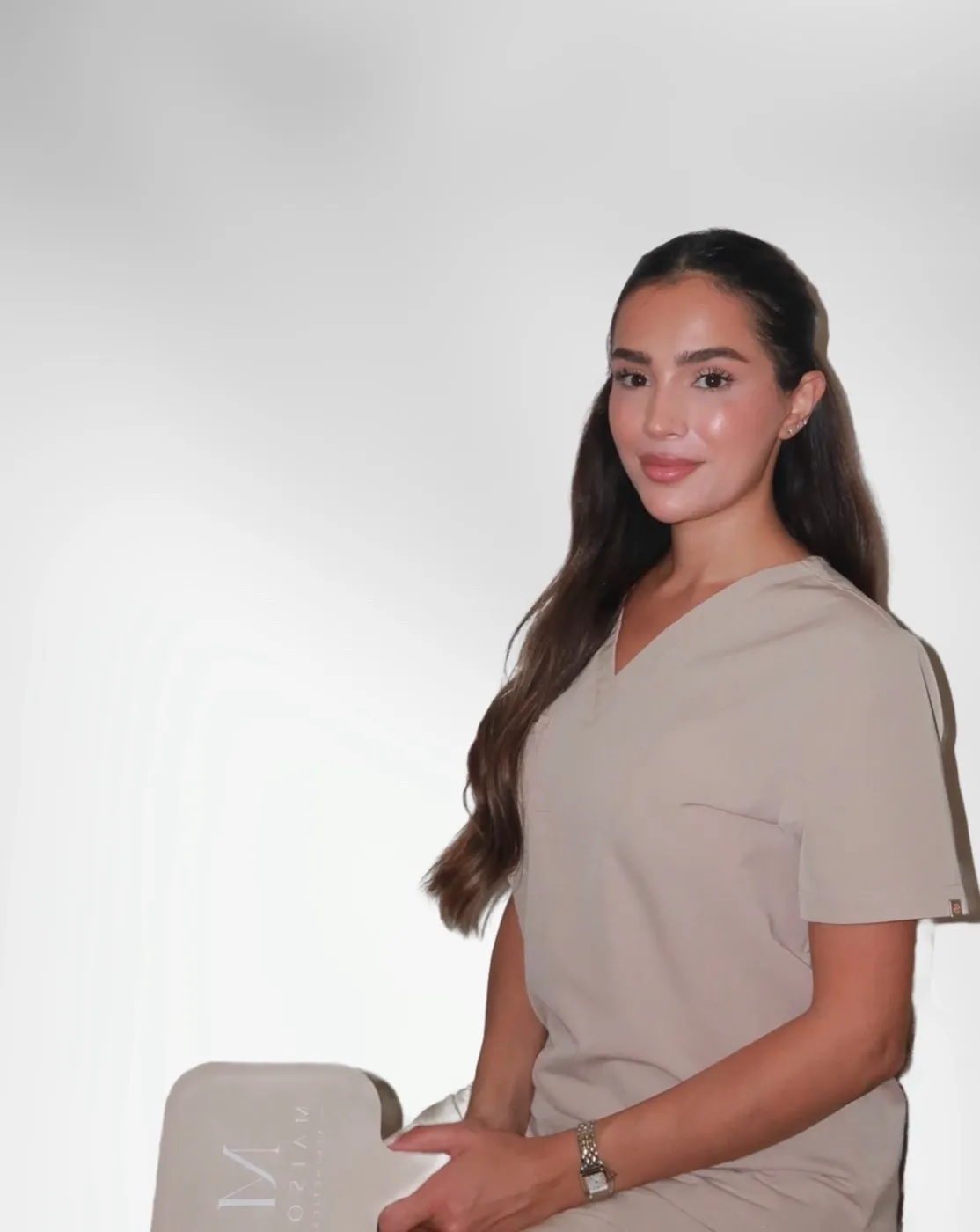
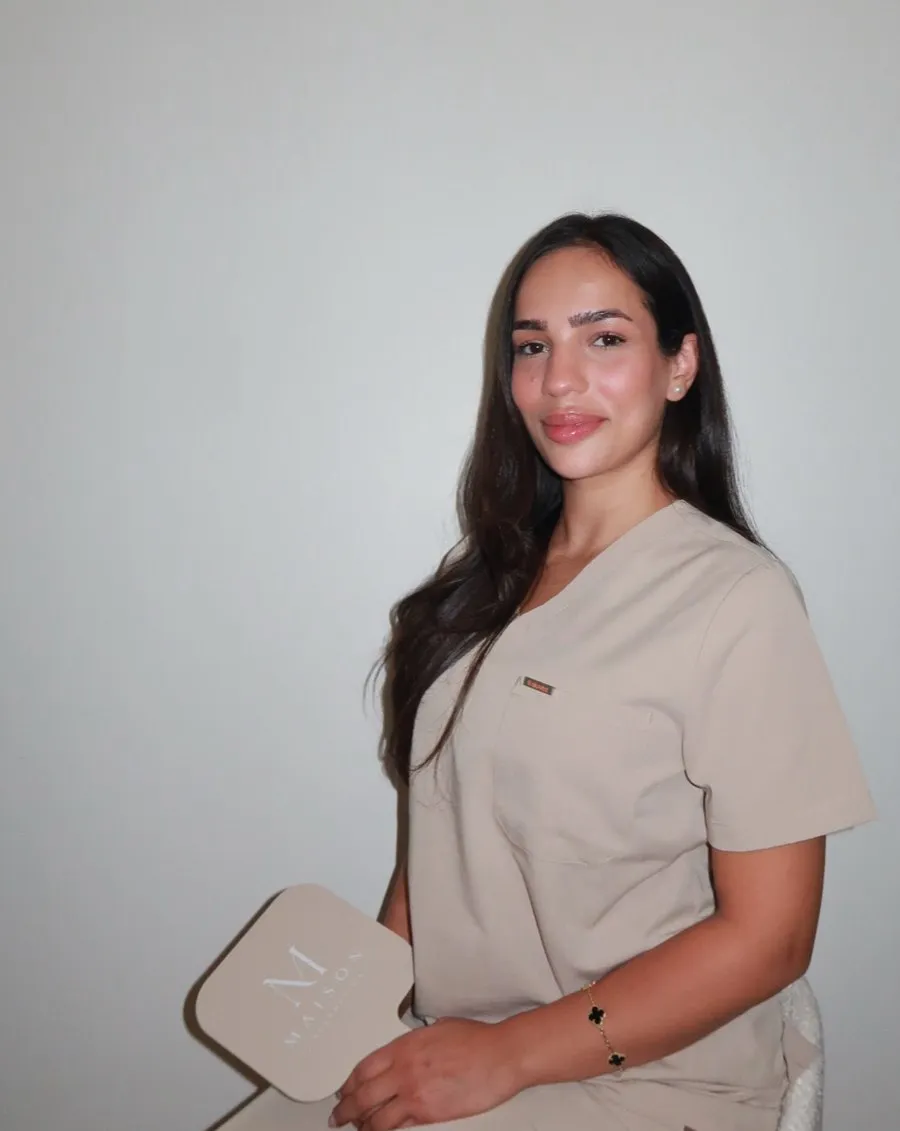
Silan Ozbek, founder of Maison Aesthetics, and Dilan Bozdag, our skin specialist, both carry out laser hair removal at the clinic. Silan holds VTCT and Ofqual-regulated qualifications and has more than seven years' experience in aesthetics. Dilan is a qualified skin practitioner with more than three years' experience.
Laser settings change from one session to the next based on how your skin responded last time. Your practitioner records the settings used and how your skin reacted at every session, including the patch test, so each session starts from those notes whichever of them treats you. If you'd rather see the same practitioner for your whole course, say so when you book. Alongside laser, Silan offers dermal fillers and HD Brows, and Dilan looks after facials and lash lifts.